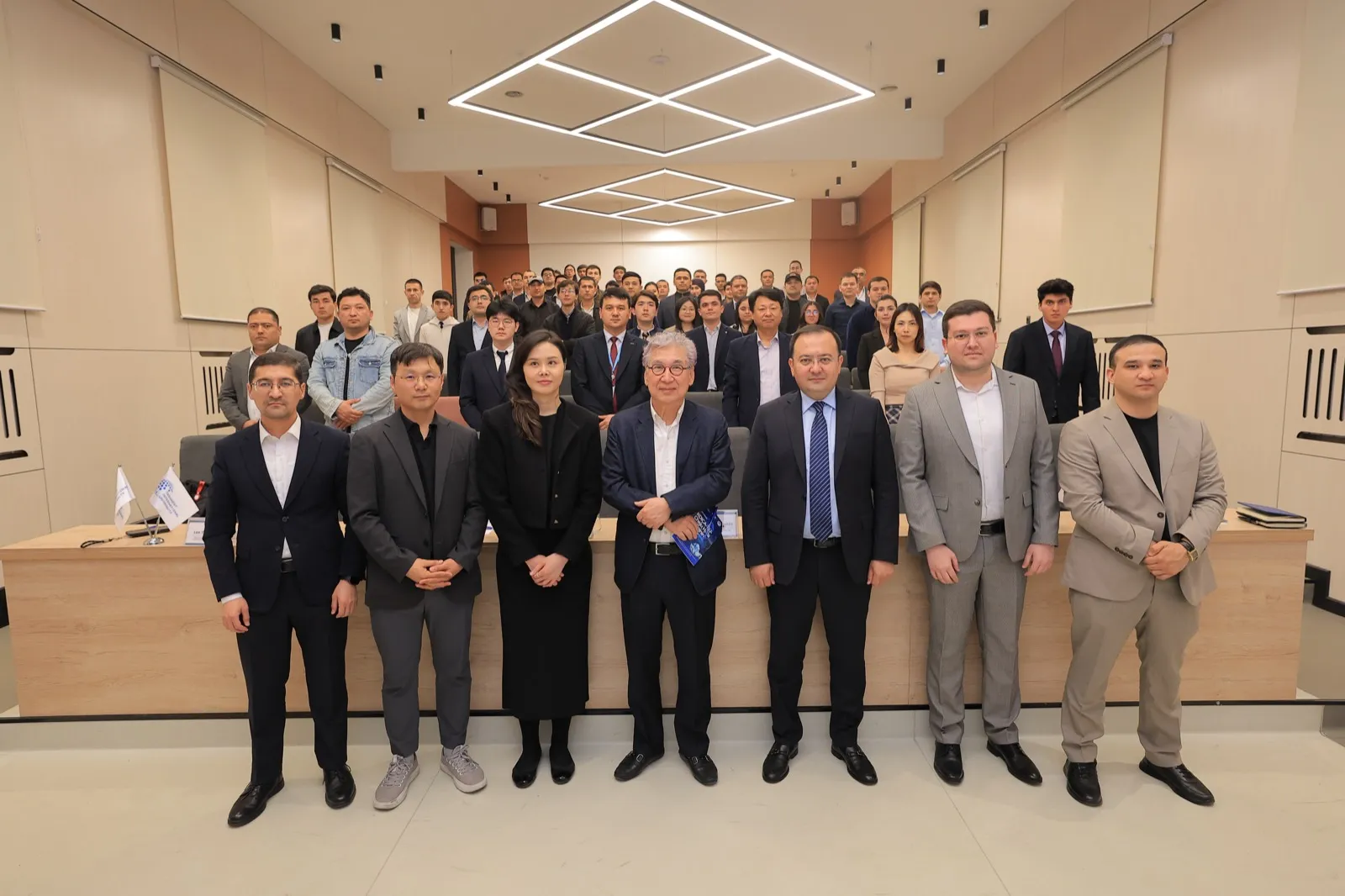
On March 26, we officially kicked off Year 2 of the KOICA-TIU-Cheju Halla AI Training Center at Tashkent International University. It was a full day: Steering Committee in the morning, Industry Advisory Board at midday, and the Opening Ceremony in the evening.
Year 1 Results
Before looking forward, we reviewed what Year 1 delivered:
- 15 graduates completed the program
- 5 passed Microsoft Azure AI-900 certification
- 5 placed in internships at local IT companies
- 32-seat AI lab fully equipped and operational
These numbers confirmed what we set out to prove: Uzbek students can build globally competitive AI skills when given the right resources and structure.
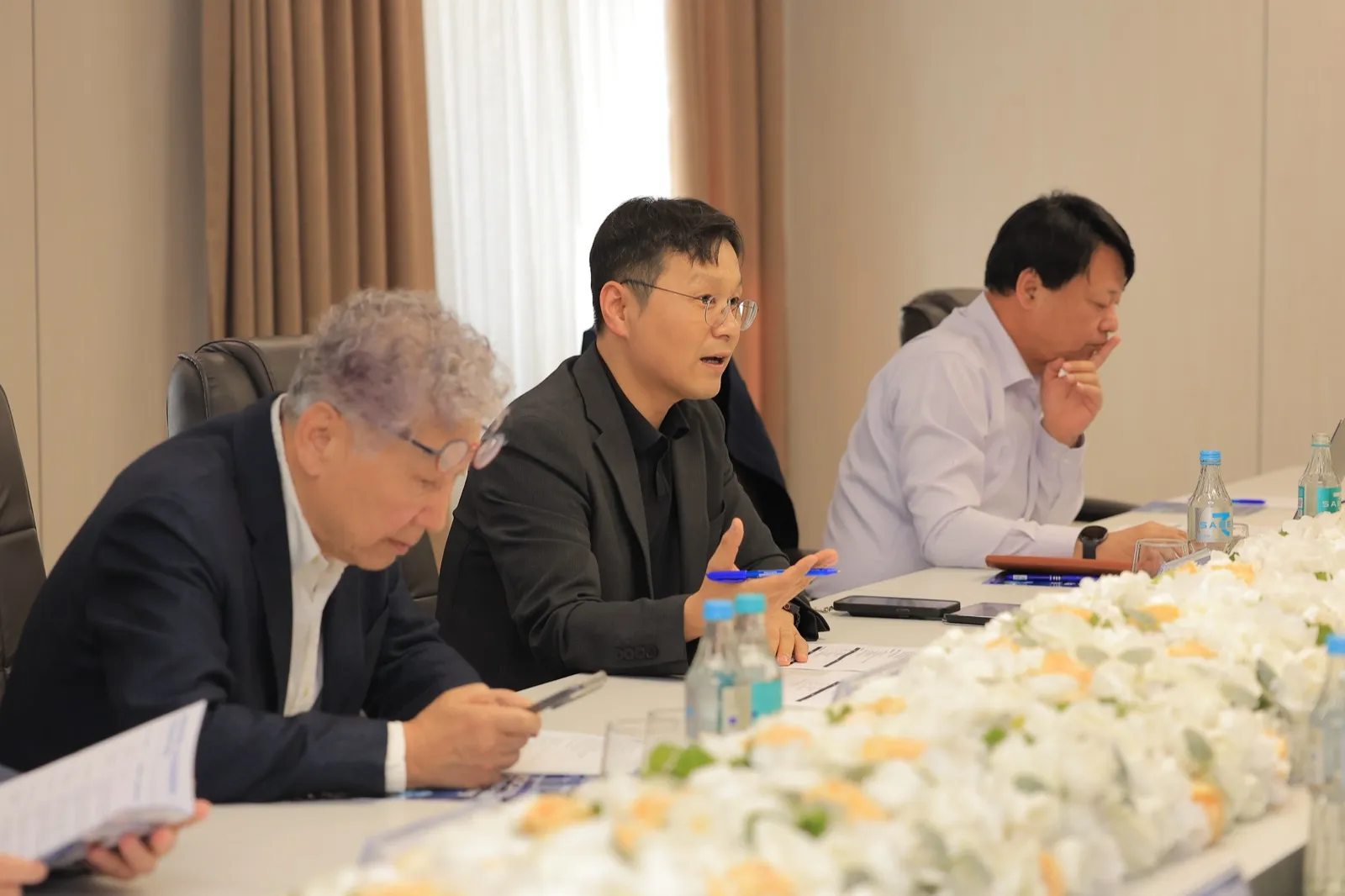
Steering Committee
The morning Steering Committee brought together TIU President Iskandar Yuldashev, CHU Vice President Yongwook Jeon, and myself to align on Year 2 priorities. Key decisions included expanding the curriculum from 2 to 4 courses, revamping certification incentives, and initiating discussions on a project extension beyond the original timeline.
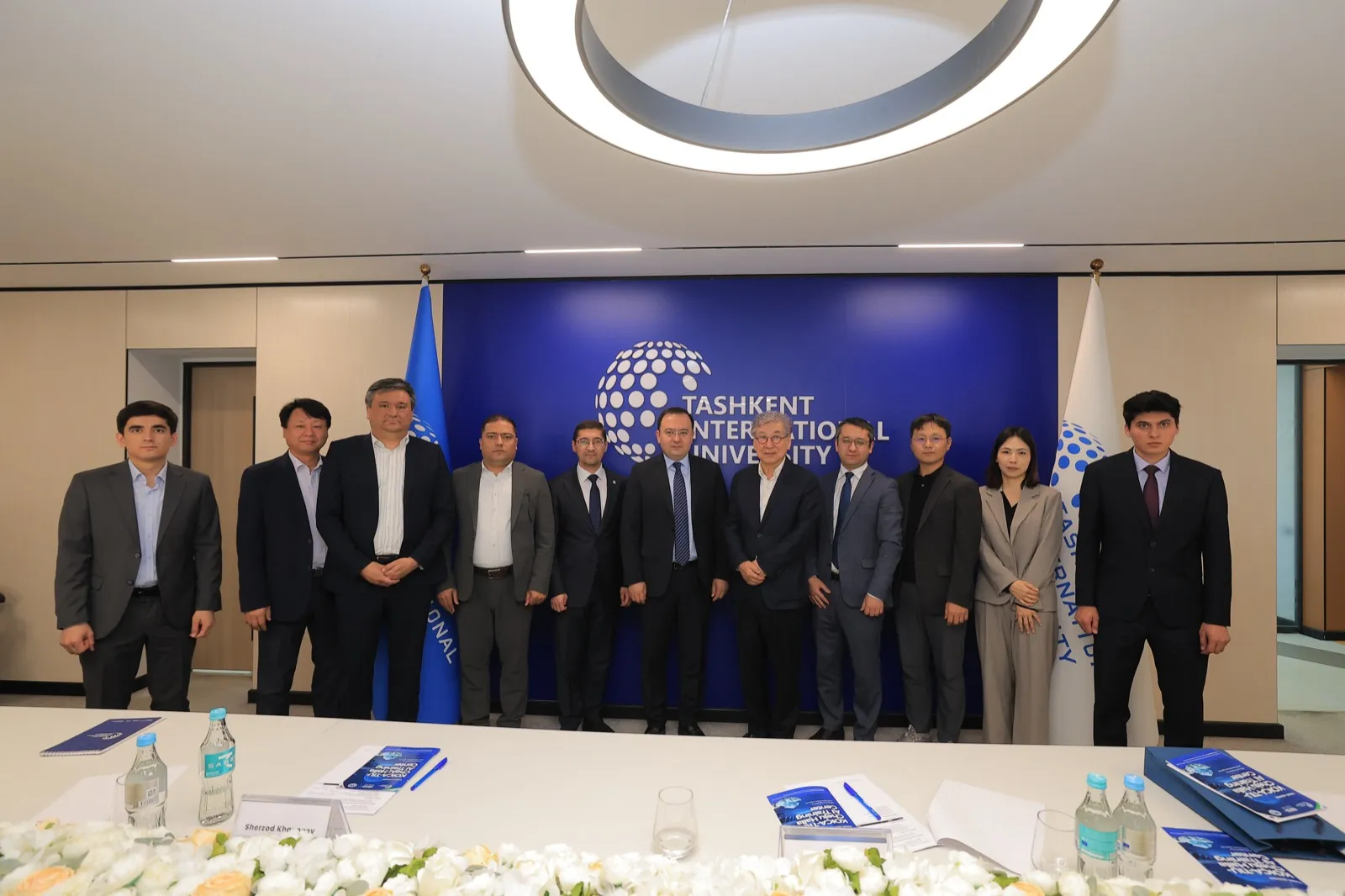
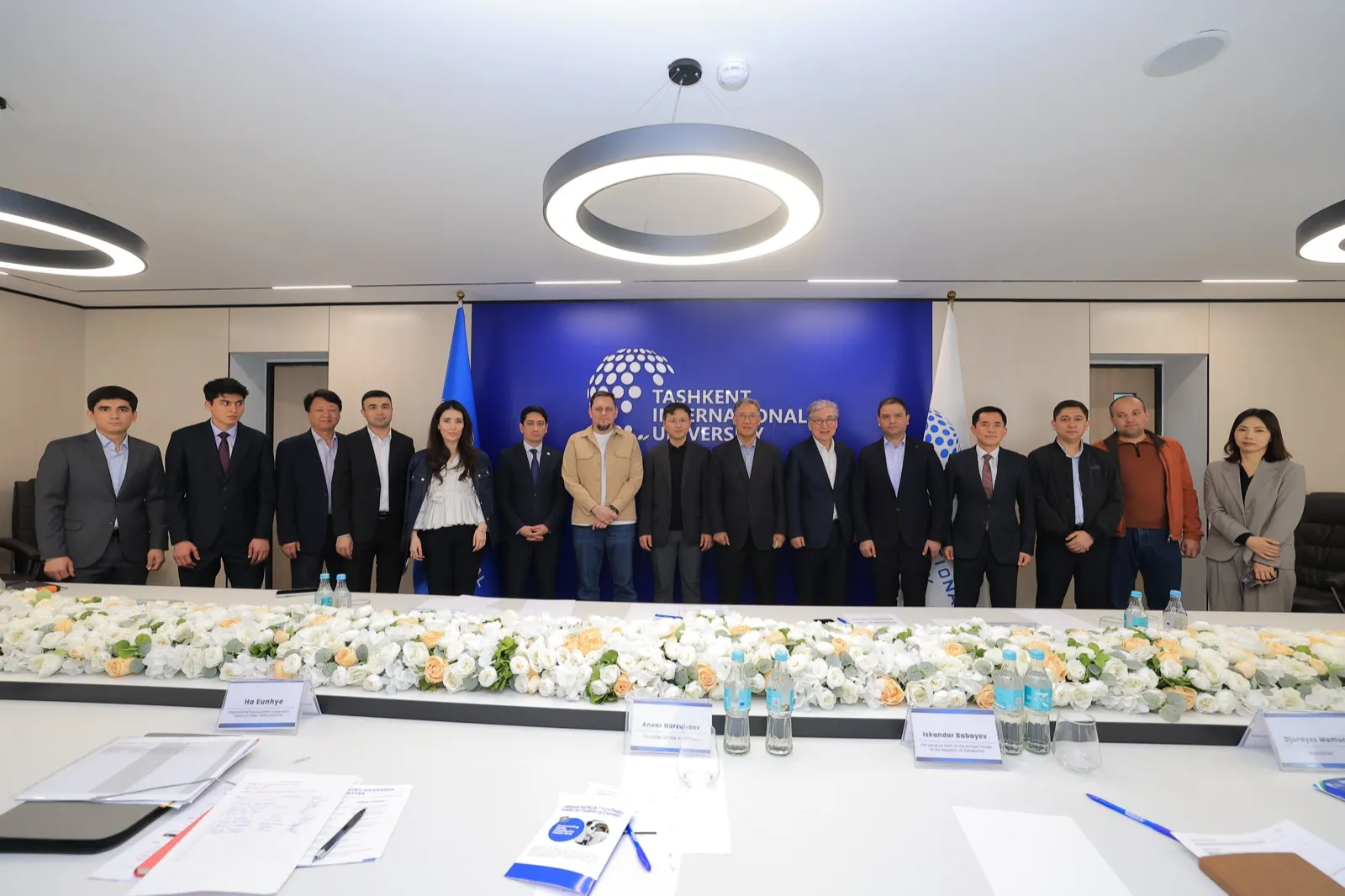
Industry Advisory Board
This was a new addition for Year 2. Nine industry advisors joined, including new members from Asahiy, Nomadian, and the Uzbekistan Armed Forces General Staff. The board’s mandate: diversify internship partners from a single company to five or more, target 8 interns and 3 job placements, and co-design a hackathon.
The big item: an “AI for Uzbekistan” hackathon on June 20, where partner companies will set real-world problems for students to solve.
Lab Tour
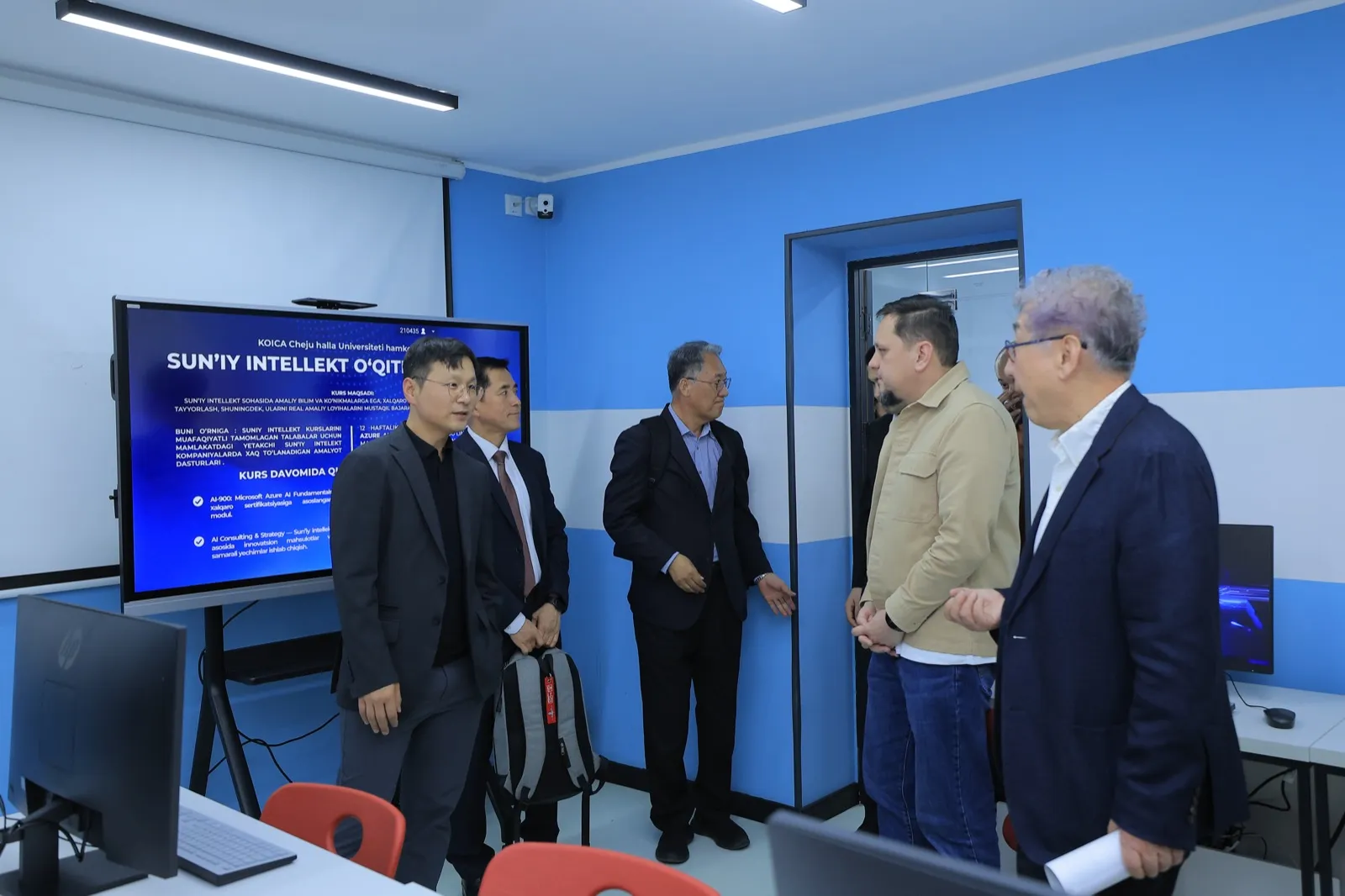
We also toured the expanded AI training lab. The 32-workstation setup is now running the full course stack, and seeing the Uzbek-language course materials on the displays was a proud moment.
Year 2 Program: 4 Courses, 45 Applicants
The evening opening ceremony drew 45 applicants, not just TIU students, but working professionals from the Ministry of Defense, Central Bank, and National Cybersecurity Center. KOICA Uzbekistan Deputy Director Siyeon Kim attended, along with Yangihayot AI Advisor Toirjon Latifov.
A highlight was alumnus Abdullaziz Jurayev sharing his journey from student to intern to full-time employment, which resonated strongly with the incoming cohort.
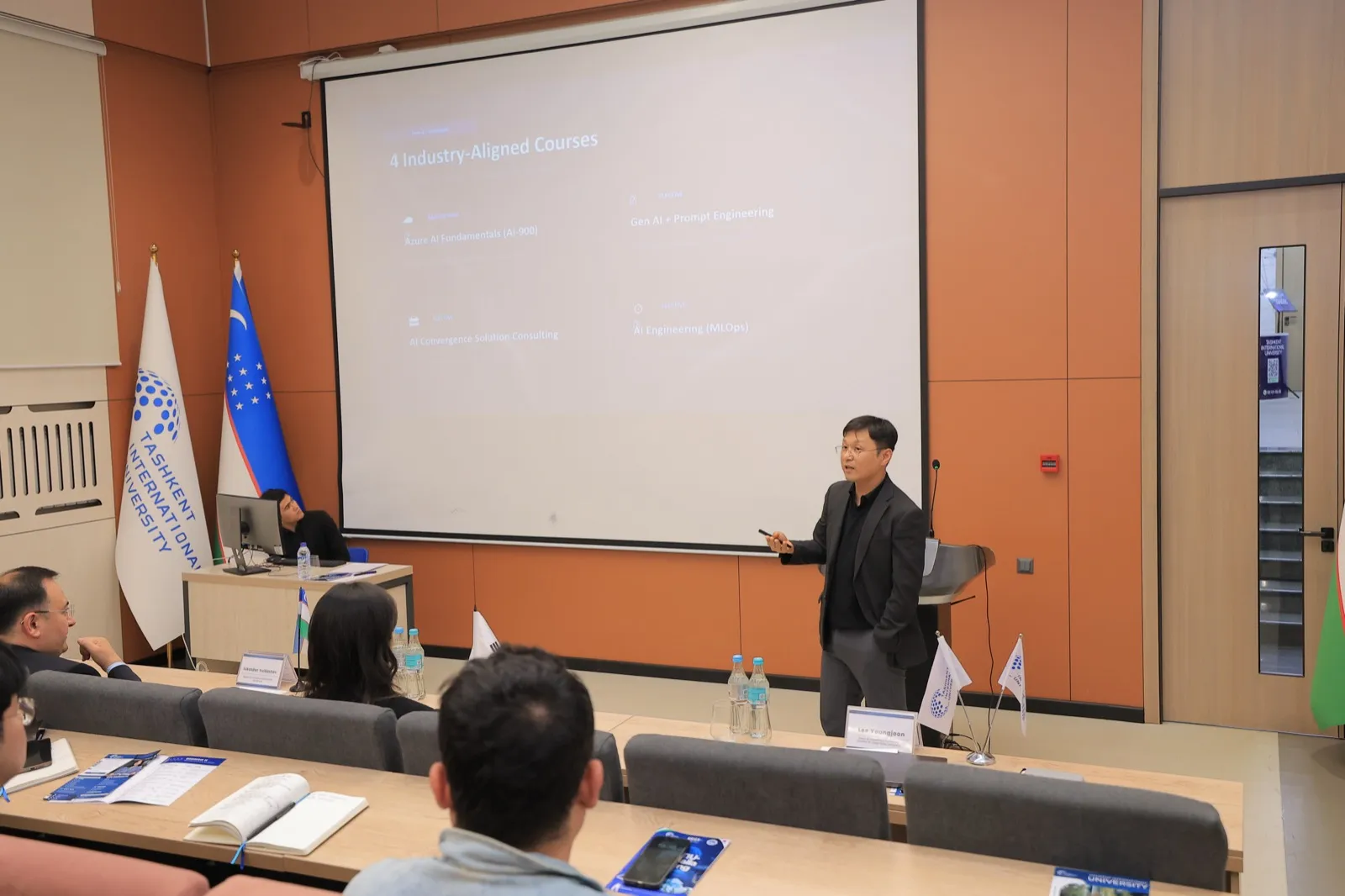
The curriculum expanded from 2 to 4 courses:
- Azure AI Fundamentals (AI-900): required, cloud AI basics + certification prep
- Generative AI & Prompt Engineering: elective, LLM applications and RAG systems
- AI Solution Consulting (new): enterprise AI adoption strategy and ROI modeling
- AI Engineering / MLOps (new): deployment and operations automation
Classes run 12 weeks, twice a week after 7 PM to accommodate working professionals.
What’s Ahead
Year 1 proved the model works. Year 2 is about scaling: more students, more industry partners, more pathways to employment. The goal is for this center to become a regional hub for AI talent development in Central Asia.