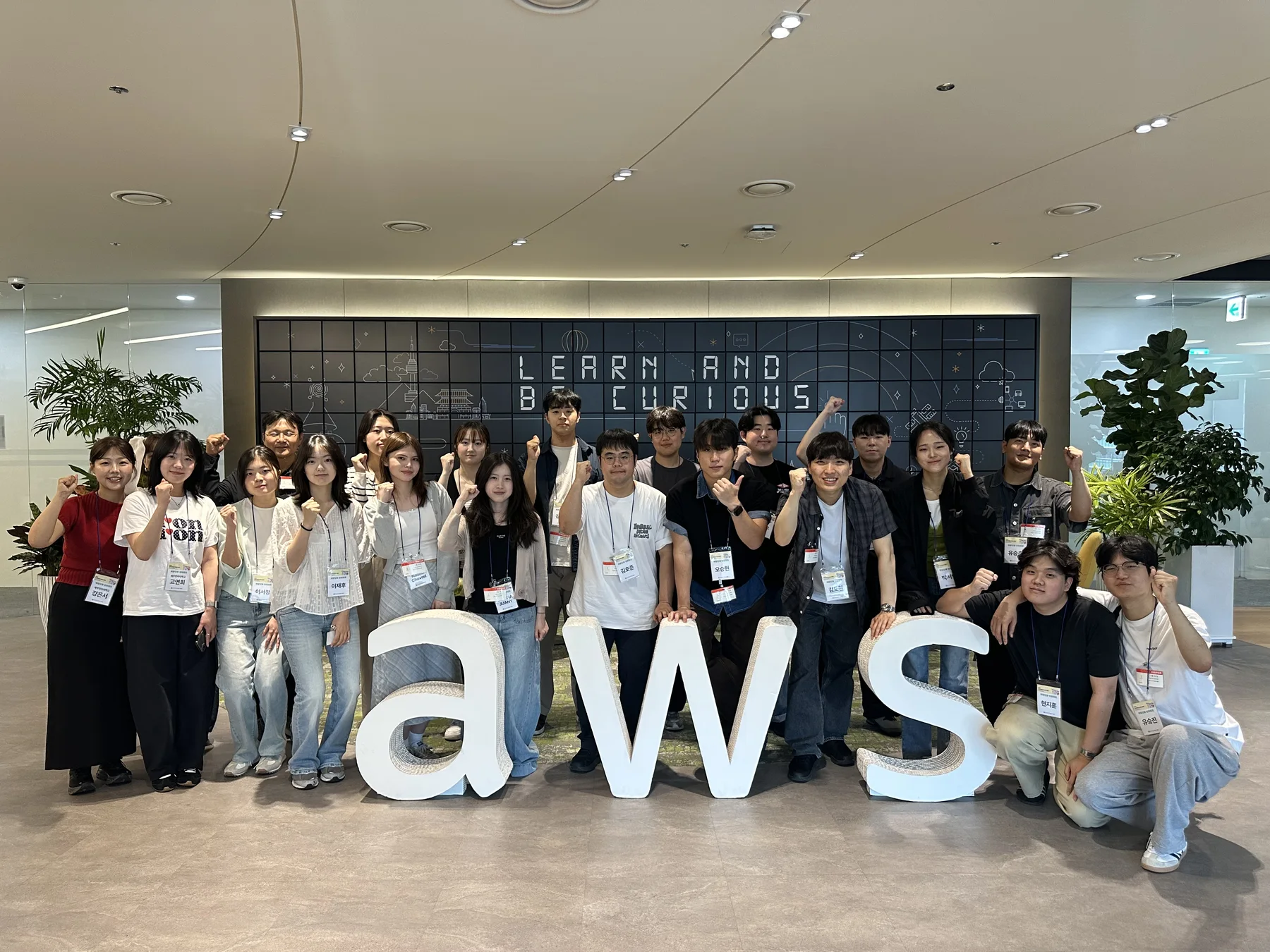
On May 30, we brought the first cohort of the Jeju RISE-AWS Global Space Bootcamp back together at the AWS Seoul office in Yeoksam.
This was the follow-up we had talked about during the April startup capacity-building camp. After the bootcamp, the hackathon, the global forum, and the IR deck work, I wanted the students to experience one more thing: what it feels like when their ideas leave the classroom and enter a real industry space.
For students based in Jeju, a visit to Seoul is not just a change of location. It changes the scale of the conversation. The same team project suddenly sits next to cloud infrastructure, startup commercialization, global companies, hiring standards, and the working culture of people already building in the field.
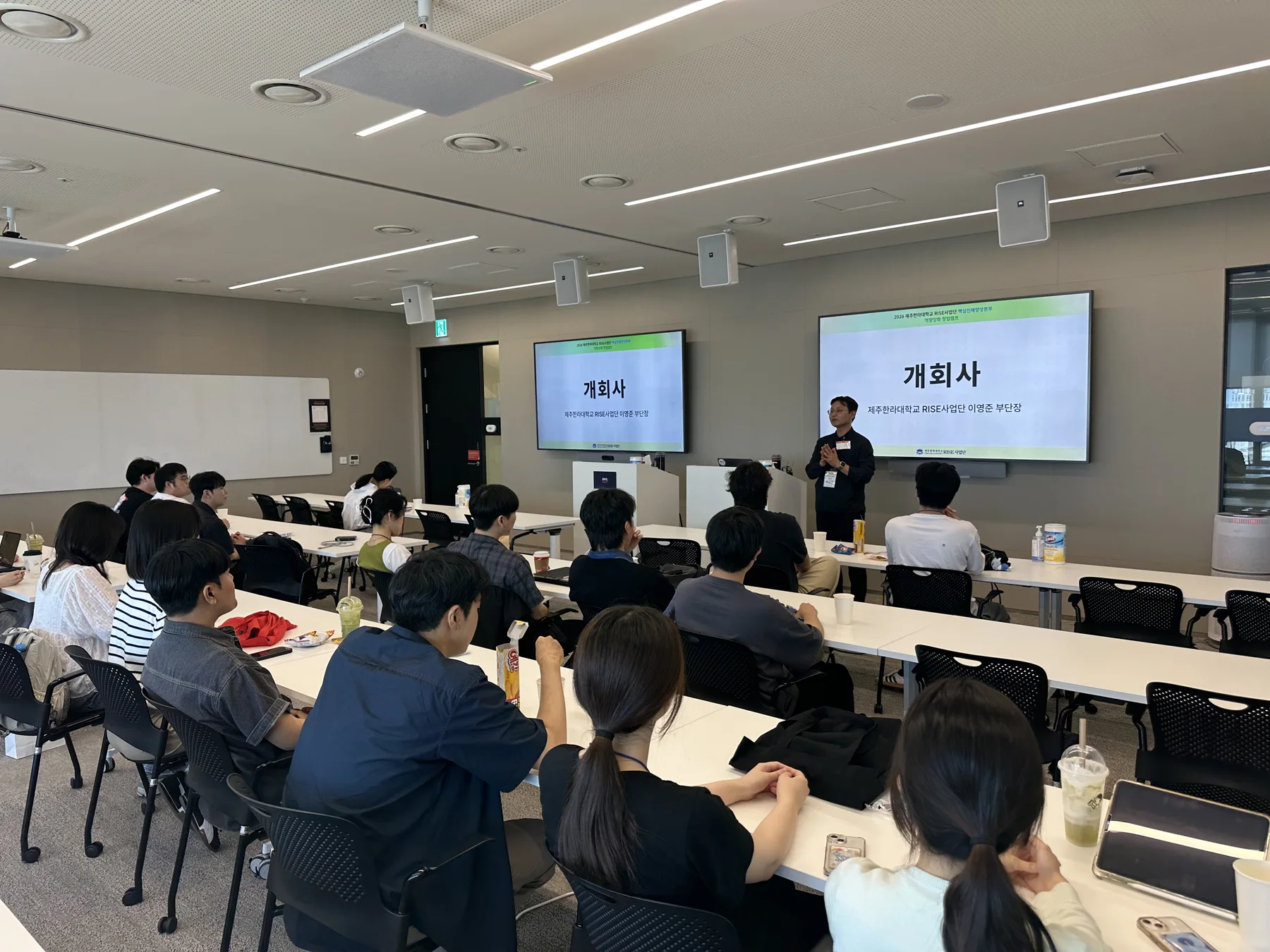
The Greatest Benefit Is Your Peers
In my opening remarks, I wanted to keep the message simple.
“The greatest benefit is your peers.”
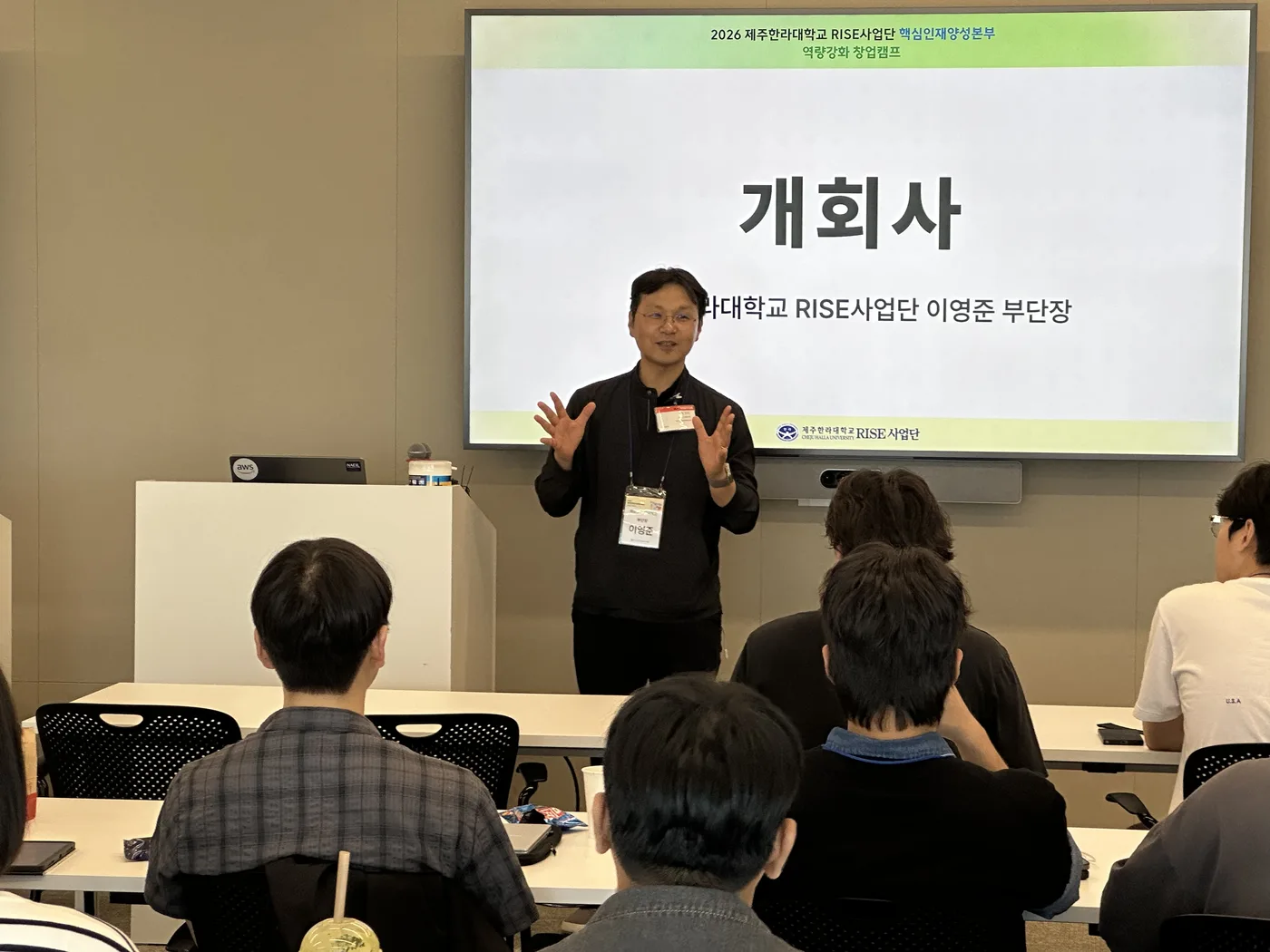
Programs often advertise lectures, mentors, certificates, and facilities. Those matter. But after watching this cohort move from design thinking to hackathon prototypes, from prototypes to startup coaching, and from coaching to industry follow-up, I am increasingly convinced that the most durable asset is the peer group.
The friends sitting beside you are the people who saw the same hard weeks, stayed up through the same messy project moments, and learned how each other thinks under pressure. Some of them may become co-founders. Some may become colleagues. Some may simply become the people who remind you that bigger things are possible.
That is difficult to measure in a report, but it is exactly what a good talent program should produce.
From Prototype to Pathway
The 2026 cohort has already shown that this pipeline can work.
They began with the RISE-AWS Global Space Bootcamp, where students learned to connect space data, AI, design thinking, and Jeju’s real regional problems. At the Jeju Global Space Forum and hackathon finale, teams presented working solutions, not just slide concepts.
Then the April startup camp pushed the top teams into a different mode: IR pitch decks, Lean Canvas, mentor feedback, and demo day style presentations. Since then, the follow-on outcomes have become more concrete: internships at ESTsoft, patent activity from the winning team, and now a direct industry visit to AWS Seoul.
That sequence matters:
- Education that builds capability
- Hackathons that force execution
- Startup coaching that tests business models
- Industry visits that widen networks
- Peer groups that keep the momentum alive
The goal is not to run one impressive event. The goal is to make each event connect to the next opportunity.
Why This Day Mattered
A university program can easily stop at curriculum. A regional innovation project can easily stop at funding and reporting. But students remember the moments when the door opens a little wider than expected.
Standing in the AWS Seoul office, the students were not just visitors. They were seeing a possible continuation of their own work: how a project can become a product, how a product can become a company, how a company depends on teams, and how teams depend on trust.
For me, this was the point of the day. The Jeju RISE program is not only about sending students to events. It is about building a path where education, technology, entrepreneurship, and industry relationships reinforce one another.
We will keep widening that path.