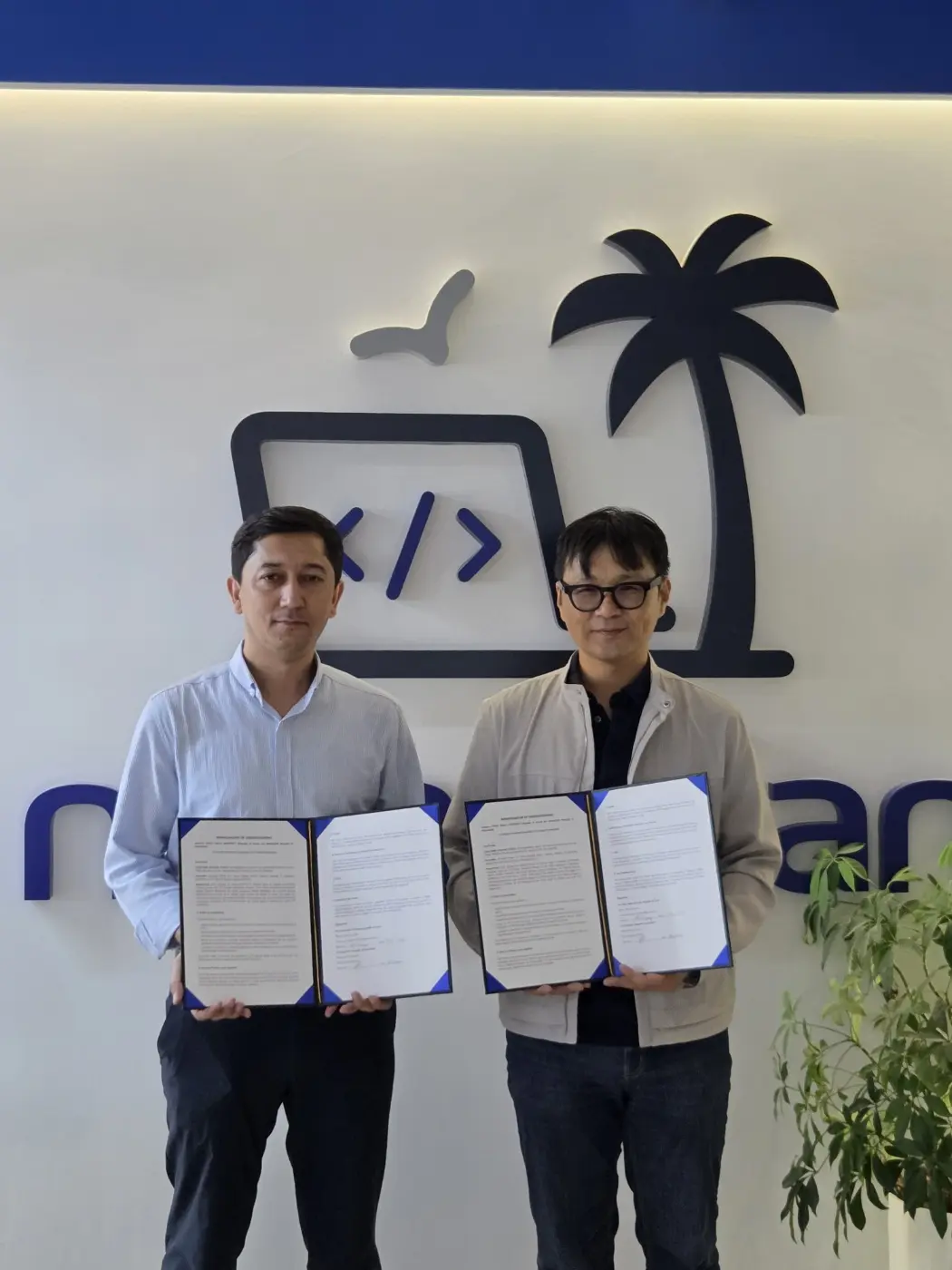
An AI training center is only as useful as the doors it opens after the course ends. In Tashkent, the companies that open those doors have been with our KOICA-TIU AI Training Center for a while: giving guest lectures, judging hackathons, hosting interns. This trip we put the wider relationship on paper. Between September 4 and 9, I signed three short memoranda of understanding for Cheju Halla University, and in the middle of the week we sat down with IT Park Uzbekistan.
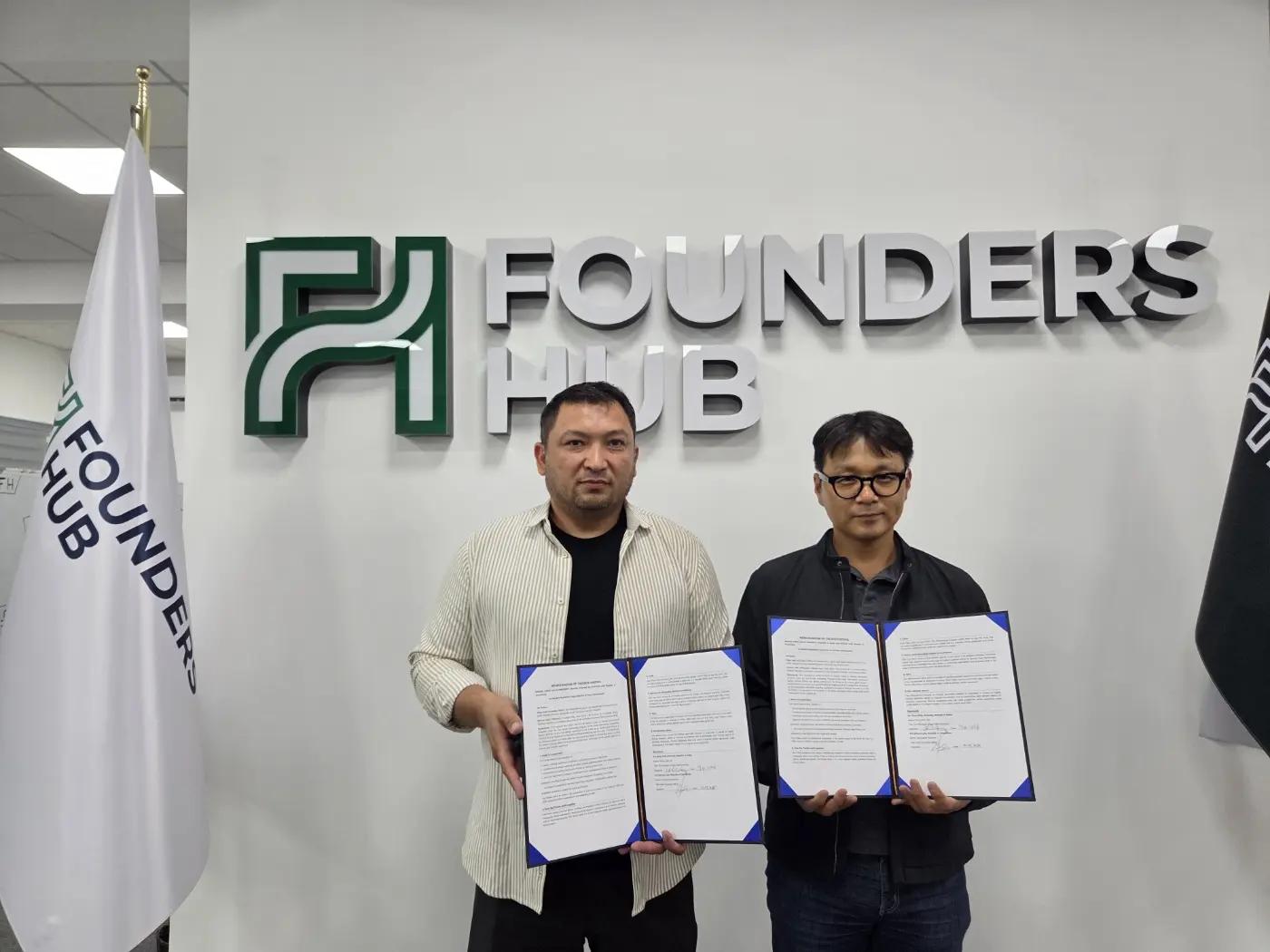
InFocus Labs: Founders Hub, September 4
The first signing took place at Founders Hub in Yunusabad with Xurshidbek Kurbanov, CEO of InFocus Labs. Bek has lectured for the center and judged its June hackathon, and his team builds online courses in Uzbek and Russian. The MOU covers lectures and workshops, hackathons and project mentoring, student internships, advice on curriculum and certification tracks through our Industry-Academia Committee, and experience with online delivery and local-language content.
IT Park Uzbekistan: September 7
On Monday we met Umida Odilova, Head of AI and R&D Development at IT Park Uzbekistan. IT Park works under the Ministry of Digital Technologies as an ecosystem builder rather than a single campus, with more than 3,700 member companies, and it points to the Ministry’s national “5 Million AI Leaders” program for AI literacy.
That last point sharpened how I think about our own role. If the state is already supplying AI literacy at scale, a training center earns its place by adding practice: real problems, real companies, real feedback. Two threads mattered most for the center. The first was connecting center students with IT Park’s member companies for internships and problem-solving work. The second was joint education projects with private companies. We agreed to continue the conversation when I am back in Tashkent in October.
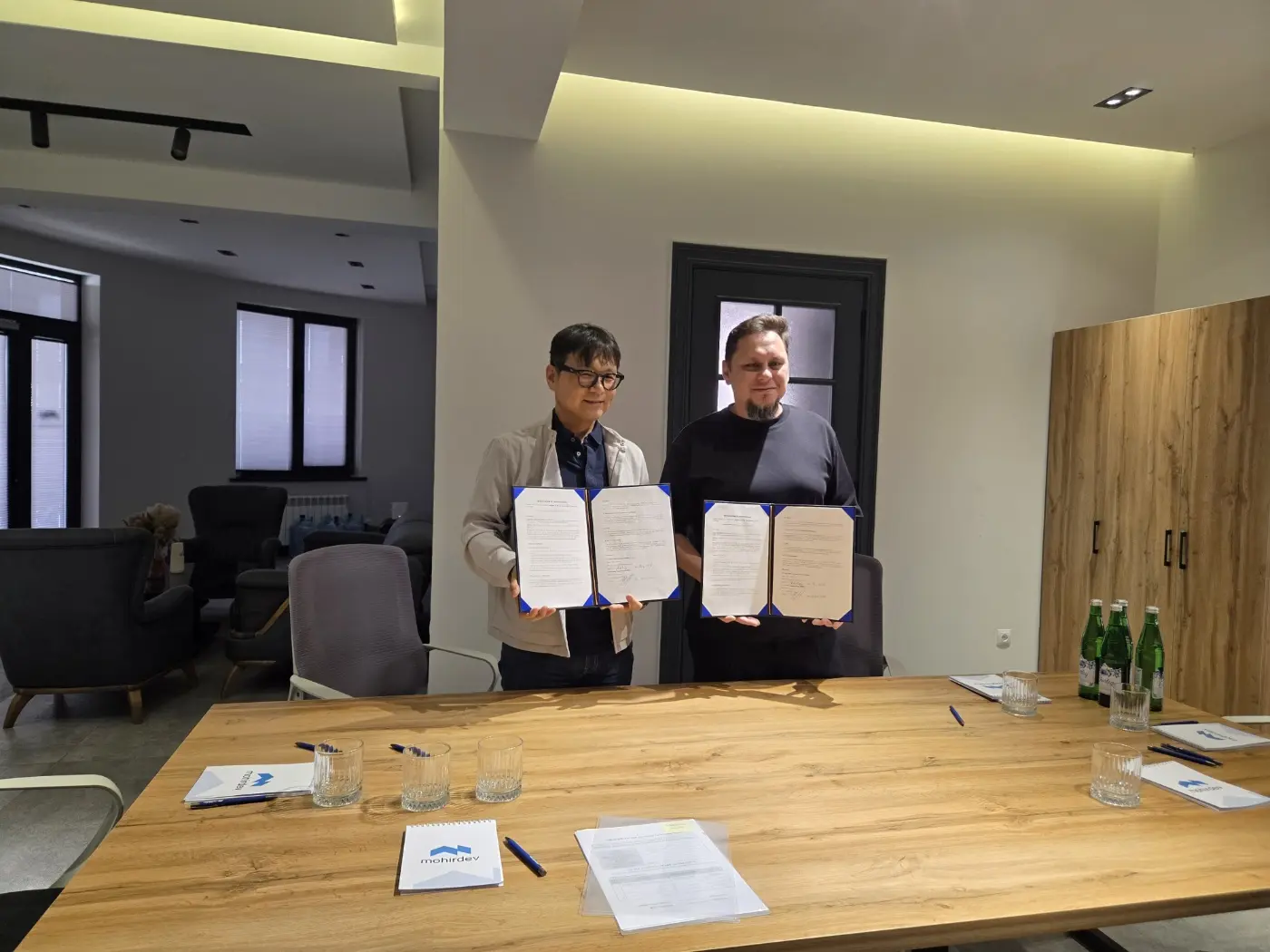
Mohirdev: September 9, Morning
On the last day of the trip we started at Mohirdev with Dr. Anvar Narzullaev, CEO. Mohirdev hosted interns from the center and went on to hire two of them, a relationship that began with the internship agreement I wrote about last December. Fittingly, the first item in this MOU is internships and introducing graduates to suitable vacancies. It also covers lectures, hackathons, curriculum advice, and experience with Uzbek-language online education.
Nomadian: September 9, Afternoon
The afternoon took us to Nomadian and its Managing Director, Mamur Djurayev. Mamur has taught Generative AI and MLOps sessions for the center, helped train our tutors, and mentored and judged hackathon teams. This semester he gives half of the Wednesday special lectures for our new cohort. The Nomadian MOU names tutor training explicitly, alongside lectures and workshops, internships, hackathons, and experience with enterprise AI adoption and LLM operations.
What These Agreements Are, and What They Are Not
Being precise about the paper matters. Each MOU is non-binding and carries no financial commitment. Each side bears its own costs, and any paid activity would need its own written agreement. Each runs for two years. Anything that touches a second phase of the program (2027-2028) is explicitly subject to KOICA’s approval and available funding, and that decision is KOICA’s to make.
What the agreements do is make the relationships legible: to students deciding where to apply what they learn, to TIU, and to anyone asking whether the center is connected to the economy around it.
Three signatures and one long conversation in six days. The most useful thing an AI course can hand a graduate is a next step, and in Tashkent more of those next steps now have a name attached.